Uncovering the Finest Deck Designs: An In-Depth Guide to Various Types of Decks for Your Backyard Retreat
Examining decking options can significantly improve an outdoor living space. Property owners face numerous options, each providing unique benefits. From conventional wood styles that stir fond memories to advanced composite options that deliver resilience, the selections are abundant. In addition, sustainable materials and multi-level configurations provide innovative solutions for maximizing utility. As the conversation unfolds, the remarkable qualities that improve beauty and comfort will showcase the possibility of crafting an exceptional outdoor retreat.
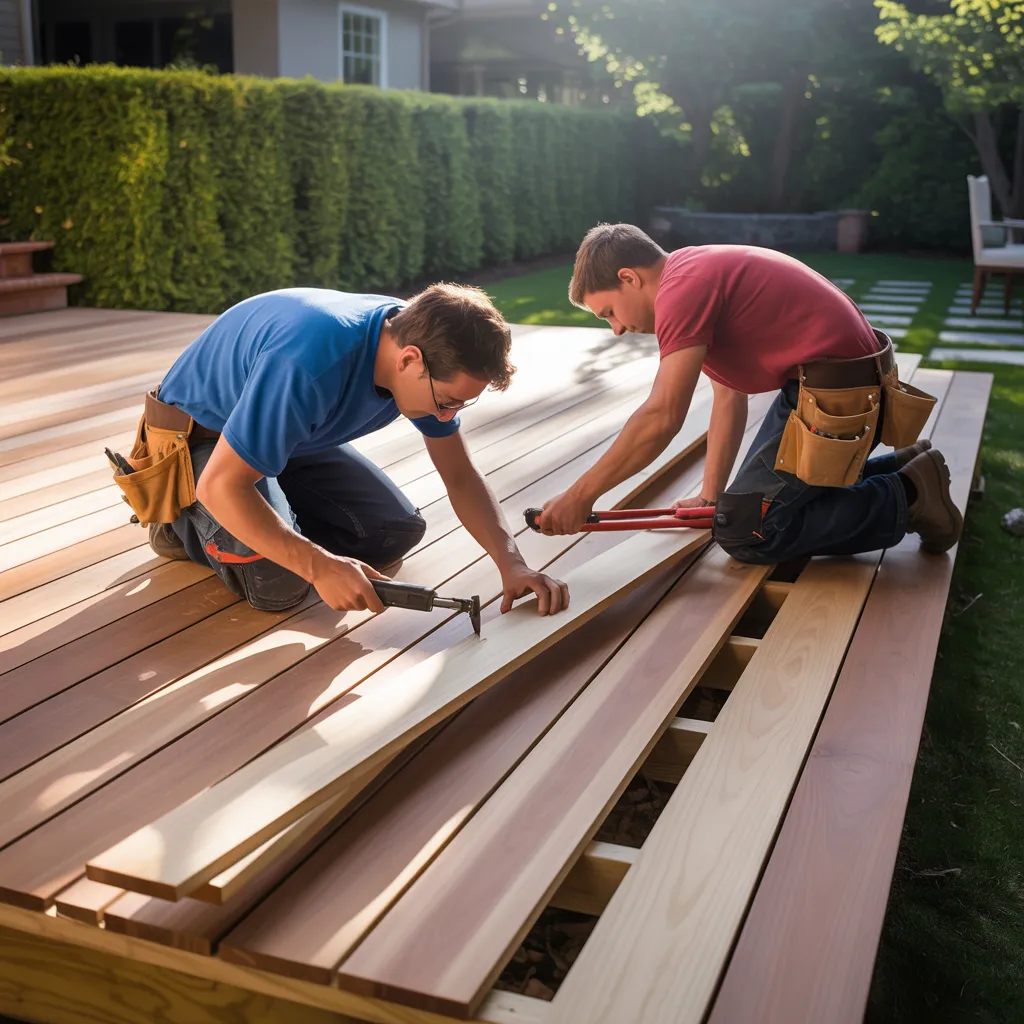
Classic Wooden Decks: Classic Deck Design Elegance
While many modern materials vie for attention in outdoor design, classic wooden decks continue to embody a charm that resonates with homeowners and designers alike. Their natural aesthetic enhances the beauty of any outdoor space, providing warmth and a sense of connection to nature.
Available in numerous species like cedar, redwood, and pressure-treated pine, timber decks deliver versatility in design and finish options. The distinctive textures and grain patterns of wood create a unique visual appeal, making each deck one-of-a-kind. Furthermore, timber decks can be adapted to suit various architectural styles, from rustic to contemporary.
Upkeep is essential for durability, demanding periodic staining or sealing to guard against the elements. Despite this, the timeless allure of wood, paired with its environmentally friendly qualities, secures its ongoing demand. Time-honored wooden decks stand as a top selection for individuals looking for a welcoming and attractive outdoor sanctuary.
Advanced Composite Decks: The Low-Maintenance Solution
Modern composite deck systems have grown into a sought-after solution for homeowners looking for a low-upkeep outdoor living space. Constructed from a blend of wood fibers and recycled plastic, these decks provide long-lasting durability and visual appeal eliminating the significant upkeep that conventional wood decking requires. Compared to conventional wooden decking, composite materials are highly resistant to fading, staining, and structural warping, guaranteeing a reliably beautiful look throughout the years.
Homeowners value the convenience of cleaning composite decks, as they typically demand nothing more than soap and water to preserve their appearance. Additionally, many composite products feature built-in UV protection, further enhancing their longevity. With a selection of colors and textures on offer, these decks can enhance any outdoor design, delivering adaptability while eliminating the need for sanding, sealing, or painting. As outdoor living spaces gain popularity, modern composite decks emerge as a smart option for those prioritizing both style and low maintenance in their backyard retreat.
Why Eco-Friendly Decking Options Matter for Sustainability
As homeowners continue to prioritize eco-conscious living, environmentally friendly decking solutions have received growing recognition across the industry. These options not only lessen ecological damage but also improve the overall beauty of outdoor living spaces. For instance, reclaimed wood delivers exceptional aesthetic appeal while actively reducing deforestation. In addition, bamboo has established itself as a resilient, quick-growing substitute that consumes considerably less energy to manufacture.
Composite decking constructed from recycled plastics and wood fibers provides an additional sustainable option, reducing waste and promoting durability. Moreover, a growing number of manufacturers are now emphasizing low-VOC finishes, which are safer for both the environment and human health.
Choosing eco-friendly decking not only reflects a dedication to sustainability but also promotes energy efficiency and long-term cost savings through reduced maintenance and replacement needs. As homeowner knowledge increases, the demand for green decking solutions will almost certainly drive innovation in the decking industry, making eco-conscious decisions more available for homeowners.
Multi-Tiered Decks: Optimizing Space and Utility
Multi-level deck designs present a creative approach for homeowners seeking to enhance their outdoor living areas. These adaptable installations can convert sloped documentation or uneven terrain into functional spaces, creating dedicated spaces for lounging, dining, and hosting guests. Through the addition of multiple tiers, homeowners can develop a stunning outdoor environment that adds vertical interest and elevates the property's visual appeal.
The design of multi-level decks allows for better organization of outdoor activities. For instance, one level can serve as a lounging area, while another can accommodate a grill or outdoor kitchen. Furthermore, these multi-level structures can include built-in benches and planting areas, seamlessly blending nature with outdoor living.
Safety and accessibility are greatly boosted with intentional design choices, as railings and staircases can be seamlessly built into the design. In the end, multi-level decks not only maximize space but also enhance the functionality of outdoor areas, rendering them well-suited for social events and peaceful personal escapes.
Unique Deck Features: Improving Style and Comfort
Even though classic deck configurations establish a strong basis for outdoor relaxation, incorporating creative features can greatly enhance both style and comfort. Adding built-in seating not only provides a cozy gathering space but also optimizes available area. Ornamental railings, including glass panels or elaborate woodwork, enhance the aesthetic charm while preserving safety. Incorporating planters filled with vibrant greenery provides a refreshing element, harmonizing nature with architecture.
Adding components like outdoor lighting has the power to transform the mood, enabling pleasant nights under the stars. A fire pit works as both a gathering spot and a source of coziness, extending the usability of the deck. Furthermore, incorporating shading options like pergolas or retractable awnings ensures comfort during sun-filled afternoons. As a finishing touch, outdoor rugs and cushions serve to soften the space, creating an comfortable atmosphere. These creative features collectively contribute to a deck that is not only functional but also a beautiful complement to the home.
Deck Budgeting 101: Intelligent Planning and Saving
Creating a fashionable and functional deck requires thorough deliberation, especially when it comes to managing finances. A well-planned budget not only guarantees fiscal viability but also permits homeowners to identify important aspects. As a starting point, it is important to establish the overall budget, taking into account materials, labor, and additional features like lighting or furniture.
Property owners ought to consider different materials, as costs can fluctuate considerably. As an example, composite decking typically costs more than standard wood but can provide lasting savings due to reduced upkeep.
Additionally, researching local service providers can generate competitive quotes, offering a better understanding of labor costs.
Setting aside a financial reserve is a smart decision, as unplanned expenditures frequently occur during construction. By sticking to a well-structured budget and making informed choices, homeowners can design an exterior retreat that combines style, comfort, and financial prudence.
Frequently Asked Questions
How Long Do Different Deck Materials Last?
The durability of deck materials varies considerably; pressure-treated wood can last between 15 and 20 years, while composite can endure 25-30 years. Cedar and redwood usually endure for about 20-25 years, while aluminum decks can surpass 30 years with the right upkeep.
How Do I Maintain My Deck Throughout the Seasons?
To keep a deck throughout the seasons, routine cleaning, sealing, and inspections are necessary. When winter arrives, take care to remove snow, while summer calls for protection against UV rays, keeping the deck in perfect condition throughout the year.
Can I Construct a Deck on My Own, or Should I Bring in a Professional?
DIY deck building is an option, but it requires significant knowledge and skill. Enlisting a professional contractor typically provides higher quality outcomes and regulatory compliance, making it the preferred option for those lacking experience in construction.
What Permits Are Required for Deck Construction?
Before erecting a deck, homeowners are usually required to acquire building permits, zoning clearances, and potentially required inspections, according to regional requirements. Consulting with the local building department guarantees compliance and avoids potential legal issues during the construction process.
How Can I Select the Best Deck Color and Style?
To choose the best deck color scheme and design, it is important to consider the architectural style of the home, surrounding landscape, and personal taste. Viewing samples can help you explore options, while trends and durability also play significant roles in decision-making.